
The region was hit hard by dozens of atmospheric river events, leading to devastating flooding that swept debris into rivers.

KING COUNTY, Wash. — Mike James and his family enjoy spending summer days at Cedar River Park in Renton, but as they soaked in a sunny afternoon on Thursday, he couldn’t help but notice how much things have changed.
“I just couldn’t believe the destruction,” he said. “You can see sand and sediment piling up. You could see ripple marks all the way across. It was crazy watching the water come up.”
The park was one of many impacted throughout western Washington when last December’s atmospheric rivers led to historic flooding.
“This looks nothing like it usually does, this is scary,” James said.
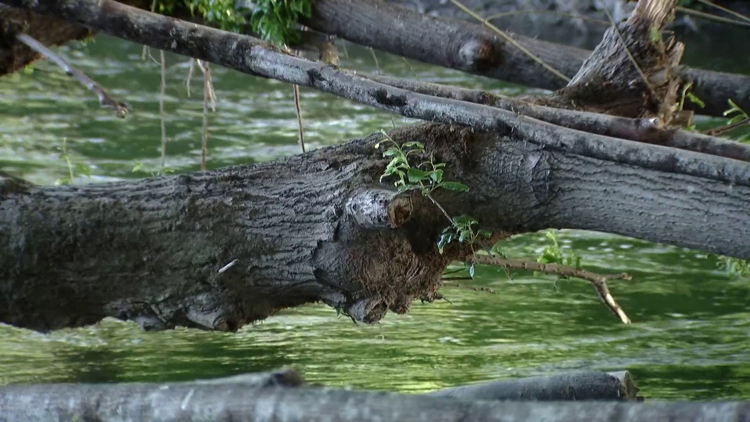
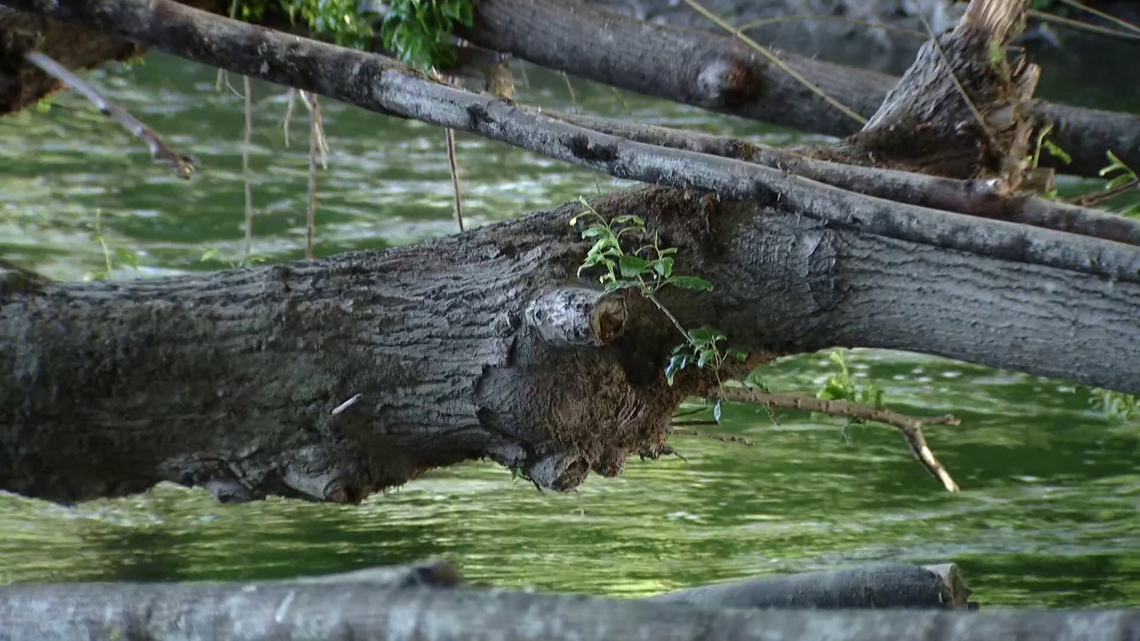
A large tree log with its roots still attached washed up beneath the I-405 bridge, and is seemingly lodged there for the foreseeable future.
Even though swimming isn’t allowed at the park, people often wind up in the water.
“This is a super popular swim beach for families,” said James. “I’ve seen somebody on an air mattress with a cooler just riding by, living his best life.”
It’s also a popular spot for tubing and fishing.
Which is why King County officials are urging extra caution this summer, warning that December’s flooding reshaped local rivers in ways that aren’t always visible from the surface.
“We’ve ended up with some of the most dangerous conditions we’ve seen in a while,” said Tony Gomez, who manages violence and injury prevention for Public Health – Seattle & King County. “I’ve never seen so much woody debris at the end of this river.”
He says the combination of fast moving water with so many hazards could create life-threatening emergencies, especially if someone becomes pinned against a large log.
“Essentially the forces that build up when the river is pushing is like trying to push a car off a person,” Gomez said. “Those can turn into tragedies very quickly.”
The county’s Department of Natural Resources and Parks said large logs, rocks and other debris were swept into rivers throughout the region, creating drowning risks that might not be visible.
High flows altered riverbeds, which resulted in deeper or shallower areas that pose additional risks.
They also warn that Lake Washington and Puget Sound remain dangerously cold, despite warmer temperatures.
Gomez urges people to wear U.S. Coast Guard approved life jackets when participating in any water-related activities.
King County’s drowning fatalities have remained elevated for seven consecutive years, with 25 preventable deaths recorded in 2025.
More water safety resources are available at kingcounty.gov/watersafety.

To ensure diverse coverage and expert insight across a wide range of topics, our publication features contributions from multiple staff writers with varied areas of expertise.
