

How far are you willing to go to find peace? In a world consumed by constant stimulus, technological advancement, endless interconnection, and instant access to information, we may have mistaken convenience for fulfillment—trading stillness and tranquility for perpetual distraction.

In response, a quiet revolution has emerged; one centered on finding stillness amid the everyday grind. Ice baths, meditation, morning exercise, and energy work have become buzzwords across social media and the business world, as a growing number of people begin to suspect that the stillness earlier generations took for granted may have been the very source of the serenity we’re all now chasing.
What was once dismissed as old wives’ tales and pseudoscience now holds a real place in everyday life. Energy-work practices have become increasingly visible in everyday wellness culture.
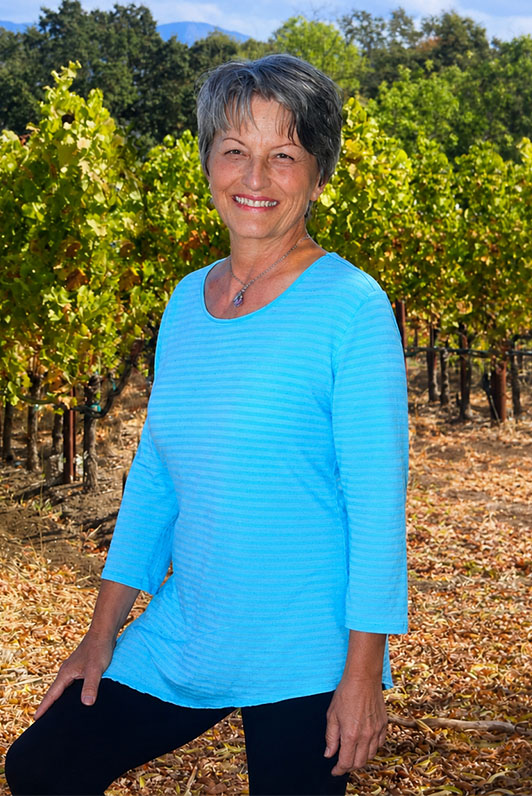
Deborah Myers, an acupressurist and Jin Shin Jyutsu practitioner for over thirty years, has worked with thousands of children and adults, including me.
Whether over Zoom, in a professional setting, or out in the everyday world, Deborah is passionate about teaching people how to care for their own bodies. The night I met her; she shared the story of a young girl on a beach in the Bahamas who found a sense of calm after Deborah helped her work through some big emotions.
The Young Girl on the Beach
During a visit to the Bahamas, Deborah spent an afternoon on the beach with a young girl she’d met earlier that day when the child helped her find the restroom. The two passed the time building sandcastles. Although the girl seemed cheerful, Myers sensed anxiousness beneath the surface and gently suggested she cross her arms and hold her upper arms. She also showed her a few other self-help acupressure positions.
Later, a woman on the beach remarked that the girl seemed noticeably calmer and more at ease. It turns out that the woman knows the young girl because she teaches at the young girl’s school. She informed Deborah that the young girl and her family were relocated to this particular island after a hurricane. She also said that the little girl had been separated from her family during the relocation. No wonder she was experiencing anxiety.
The teacher noticed the new calm and joy, and she asked Deborah whether it would work for other children. As soon as she found out about the program Deborah had created for schools and that the program helps students of all ages, and their teachers and families, she asked to be able to bring this information to the school.
Moments like these are the heart of Myers’ work, which aims to ease stress and overstimulation through a set of self-help acupressure techniques. One of those she calls The Daily Clean Your House Flow®, a nine-step flow that Deborah wrote for her clients thirty years ago. She then created an animated video of the Daily Flow for youth. But adults love it just as much!
Energy Work to Calm Your Mind
Myers, a Jin Shin Jyutsu practitioner, has spent years teaching acupressure to everyone from grade-schoolers to adults in their nineties. I first met her the night before her interview on Las Vegas ABC 13 Morning News.
I was worn out and nervous—it was my first business trip. Deborah was completely calm, without a trace of pre-show nerves. Drawn to her composure, I struck up a conversation.
Before meeting her, I doubted the effects of energy work and treated self-care as secondary to the demands of daily life. But after she lightly touched a few acupressure points, my breath softened, and the usually relentless chatter in my mind grew quiet in a way I’d never managed before.
People use energy-work practices for relaxation, stress management, emotional regulation, and other wellness goals.
“Energy work” is an umbrella term for approaches based on the idea that energy moves through the body and, when blocked, can create discomfort and dysregulation.
The Origins of Acupressure
Acupressure dates back to ancient China and rests on a belief shared with acupuncture: that the body contains acupoints which, when stimulated through touch rather than needles, can relieve stress and support overall well-being. Massage therapy, reiki, acupuncture, and other modalities draw on this idea, aiming to promote healing and balance within the individual.
The Origins of Jin Shin Jyutsu
Jin Shin Jyutsu traces back centuries in Japan. Jiro Murai revived it in the early 1900s. Born in 1886, Murai was told as a young man that his illness was terminal. In a last effort to save himself, he retreated into study and self-healing, recovered, and devoted the rest of his life to art.
Among his students was Mary Iino, who studied with him in Japan. She left Japan in 1953, came to America, married Gilbert Burmeister—taking his name—and brought Jin Shin Jyutsu to the United States.
Decades later, Deborah Myers was in college in the 1970s when she first encountered what was then called “energy healing.” She was deeply intrigued. Rather than ignoring her stress or any physical body “signals,” she found that the power to relieve any symptoms was already at her fingertips. In 1995 she earned her certification in acupressure and Jin Shin Jyutsu, and she has been changing lives with it ever since.
That introduction in the 1970s sparked a career spanning more than thirty years. Myers has shared her acupressure guide with thousands of children and produced numerous workshops and courses that help people understand and work through their emotions, support cognitive processes, and relieve physical conditions and pain.
Bettering Your Life with Jin Shin Jyutsu
Deborah has taught at schools and youth-centered facilities. She teaches students, educators, and parents an acupressure routine known as the Daily Clean Your House Flow® to help with the focus, stress, and attention challenges that so many youth face.
For her work teaching children to understand their bodies and calm themselves through the Daily Flow, she received the Presidential Lifetime Achievement Award.
And her reach extends beyond children. She gives nurses an engaging curriculum that helps them better understand their own bodies while earning CEUs (Continuing Education Units) for practicing nurses in California, which helps them stay current in their field.
She also guides other health care providers in how to include acupressure/Jin Shin Jyutsu in their practices – to help their patients and clients move through physical, mental, and emotional “projects.” Deborah contends that using the word “projects” is better than the word “problems.” Because projects are more fun to work with and have a beginning and an end.
She is creating an online course that will allow educators to learn how to teach their students how to utilize self-help acupressure to get from where they are to where they want to be. The information works for all ages.
In teaching children, teens, and adults alike, Myers—like other energy workers—is not suggesting that anyone should stop seeing their doctor. The message is that we are capable beings who can learn to understand our pain, tend to it, and release it.
Myers describes pain as one way the body communicates and sees these practices as tools people can use to better understand and care for themselves.
A New Way of Teaming with Modern Science
Whether acupressure, Jin Shin Jyutsu, massage therapy, reiki, qigong, or any other alternative health care practice, these methods don’t reject modern science—they accompany it, helping people become more in tune and at peace within themselves. Myers encourage people to question their assumption that pain should simply be suppressed or ignored. In her view, paying closer attention to the body can offer another way of understanding what it may be communicating.
The body is a complex organism that science is still working to fully understand. At its core, energy work rests on the idea that the body isn’t something to suppress or override just to get through the day, but an intelligent, communicative vessel worth listening to.
Through her volunteer work, workshops, school courses, workplace wellness programs, and private sessions (both in-person and virtual), Deborah Myers has devoted her life to teaching anyone willing to listen to how to find greater peace within themselves. Instead of constantly striving, hustling, and hurting, people can learn to help their bodies relax, flow, and thrive.
Learn more: https://deborahmyerswellness.com/

Natalee West is a freelance writer who writes about lifestyle, culture, and the conversations shaping modern womanhood.
