
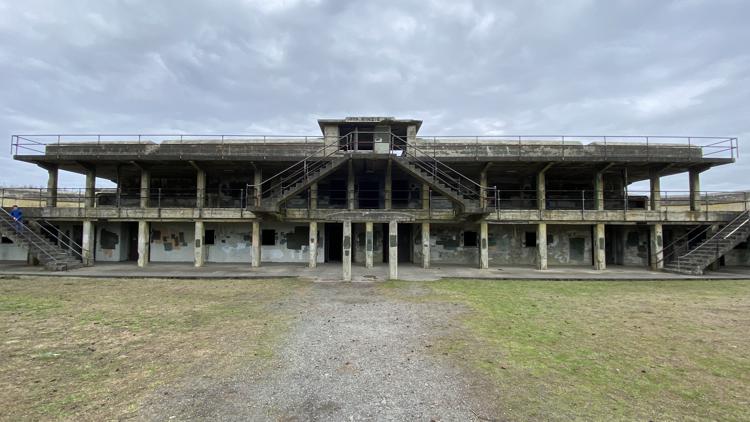
The film “Backrooms” captures the eerie sensation of being in liminal spaces, mirroring Washington’s real, abandoned military bunkers.

WASHINGTON, USA — While the “backrooms” are an internet-based urban legend, the sensation they capture exists in all kinds of places in the real world — including Washington.
“Backrooms,” the debut feature film from Youtuber-turned-director Kane Parsons, broke box-office records for film studio A24, earning $118 million on opening weekend May 29 through May 31.
Locally, theaters have seen crowds: AMC Pacific Place in Seattle saw about 5,000 moviegoers in the two days since the film’s opening, said manager Andrew Coleman, “some 3,000 more than we’d expect.”
“Next week, we’re expecting big days on Tuesday and Wednesday, because those are our discount ticket days,” said Coleman. “Schools are also getting out earlier some days during the week, so that’s a big driver of traffic.”
The genesis of the film’s horror concept comes from memes describing the unsettling feeling of being alone in liminal spaces — usually transitional areas, like hallways or large rooms — especially if the space has few defining features and no clear entrance or exit.
In “Backrooms,” that creepy feeling manifests as a maze of identical, empty rooms with fluorescent lights, yellow wallpaper and beige carpeting. But that’s fictional. Washington’s “backrooms” are real.
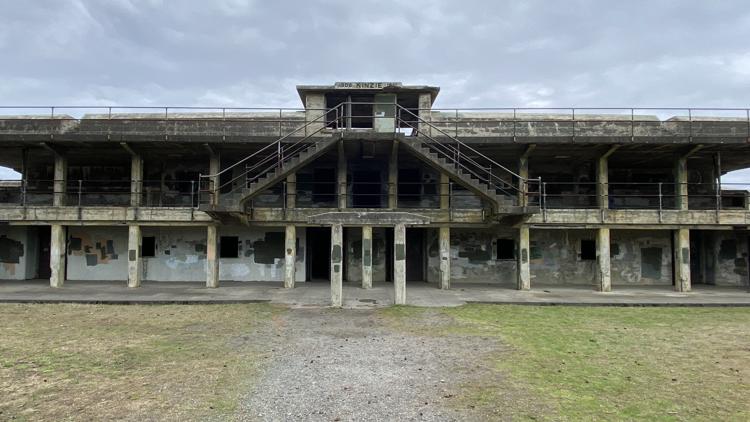
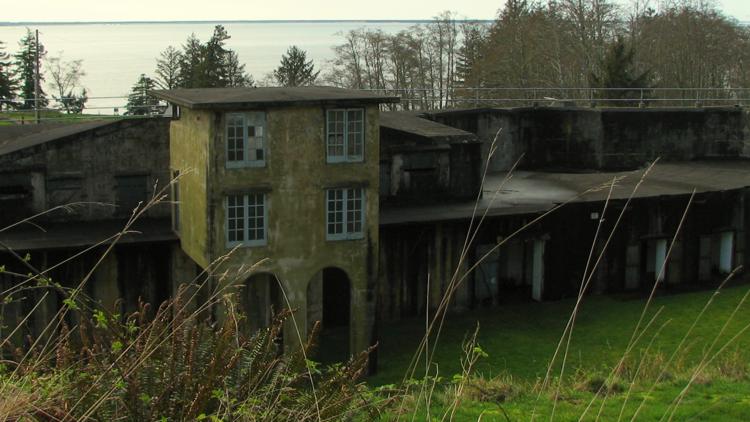
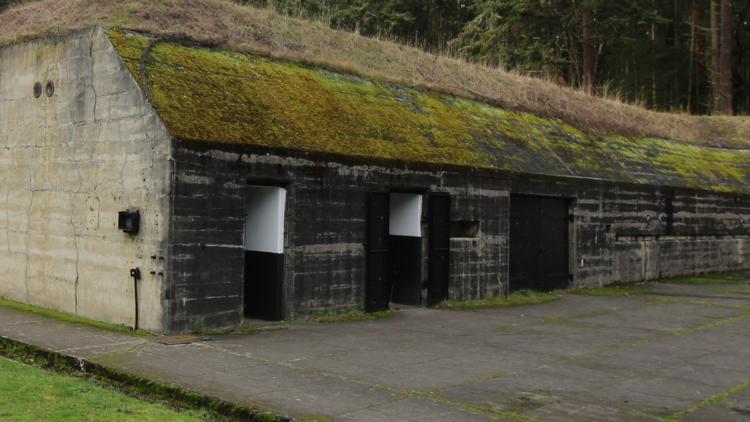
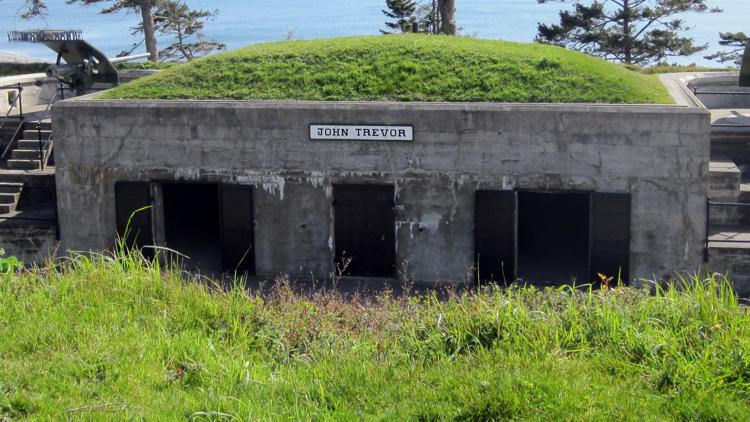
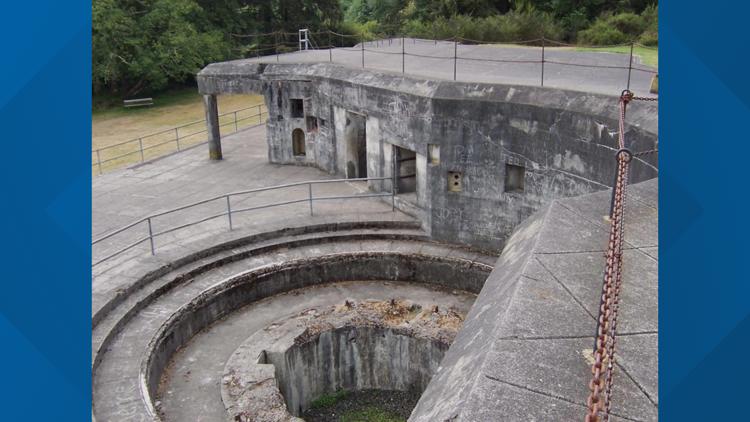
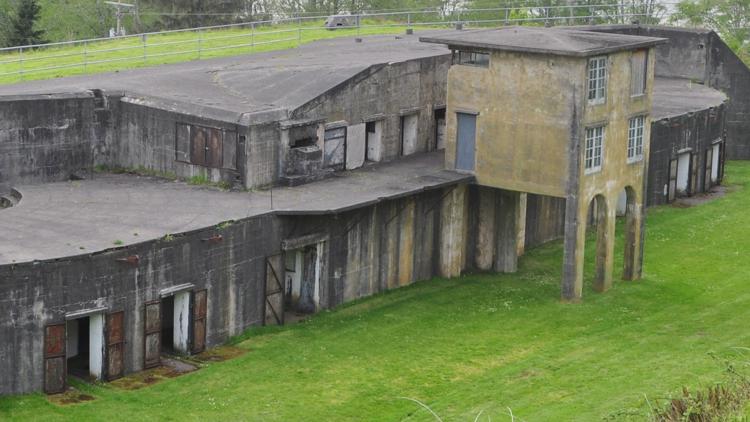
Thanks to its military and industrial history, Western Washington is full of decommissioned bunkers. Most of the military structures are fortified concrete tunnels that are entirely or partially underground, built to conceal personnel and store state-of-the-art artillery.
Forts Flagler, Worden and Casey were each built around the mouth of Puget Sound at the turn of the 20th century to defend Western Washington cities from potential attacks through the Strait of Juan de Fuca. Fort Worden in Port Townsend was the largest, housing 41 guns in six batteries. Some of the shells on site were about a 12 inches in diameter and five feet long, weighing more than 1,000 pounds, according to Atlas Obscura.
Most have since been abandoned and are now protected historic elements in state parks, and many are publicly accessible. Without infrastructure like electricity or ventilation, the tunnels are mostly just that — pitch-black concrete rooms that echo with every sound and movement.
Swipe to see a list of some of Washington’s “backrooms.”
Washington’s ‘backrooms’ are 100-year-old military bunkers
-
1/6
-
2/6
-
3/6
-
4/6
-
5/6
-
6/6
/

To ensure diverse coverage and expert insight across a wide range of topics, our publication features contributions from multiple staff writers with varied areas of expertise.
