
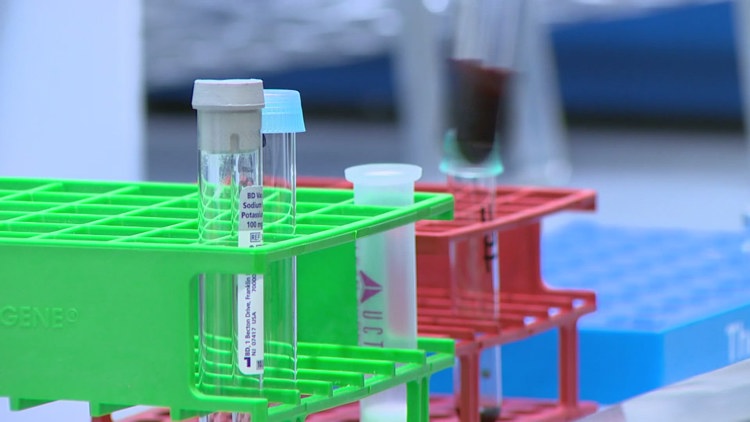
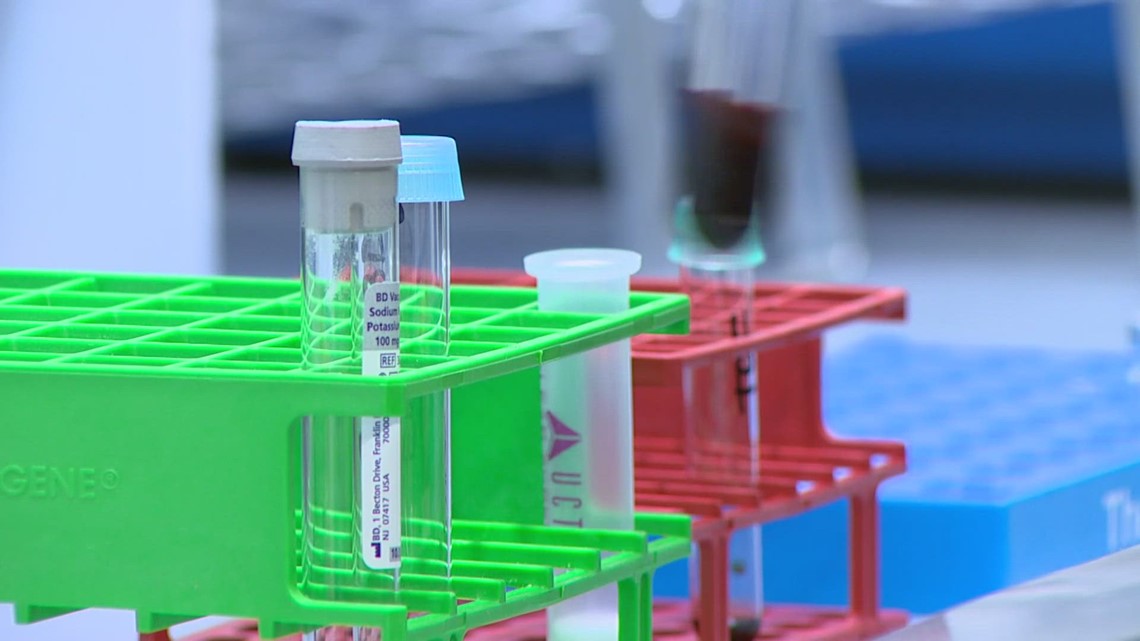
The lab, which handles evidence for criminal cases, is currently processing more than 15,700 cases.

SEATTLE — Washington State Patrol officials say a backlog in toxicology testing is delaying impaired driving investigations across the state as forensic scientists work overtime to keep up.
The lab, which handles evidence for criminal cases, is currently processing more than 15,700 cases, far exceeding its goal of delivering results within 60 to 90 days.
The backlog affects a wide range of cases, though about 65 percent of the lab’s work is tied to impairment investigations. According to State Patrol spokesperson Chris Loftis, delays can have serious legal consequences.
“There’s a statute of limitations on some of these cases; after 24 months they can be dismissed,” he said.
While the backlog has improved slightly from its peak of 17,100 cases in August 2025, turnaround times remain far longer than intended.
“Right now, for just alcohol, it’s 10 months. For poly drug or anything combination of any sort of drug interaction, it’s up to 20 months,” Loftis said.
For families waiting on results, those delays can be devastating.
Alyssa Coriell had been waiting for answers since her 19-year-old sister, Ashley O’Neal, was killed in a crash in December 2023. Investigators say the driver, Robert Trevino, was traveling at twice the speed limit when the crash occurred. Blood samples taken at the scene were sent to the state lab, but results confirming methamphetamine and fentanyl in his system were not returned to Renton police until February 2026. Then Trevino was arrested.
Authorities say the delay was beyond their control.
“It’s unfortunate things outside of our control. Two years is something that none of us wanted to have happen as far as the timeline,” said Detective Kevin Lane.
State officials acknowledge the emotional toll on victims’ families.
“It is hard to say please be patient because when you are grieving a loss – it is immediate,” Loftis said.
The demand for toxicology testing has increased over time, in part due to broader drug use trends. Loftis pointed to cannabis legalization in 2012 as one factor that expanded the range of substances requiring analysis.
“That increased a lot of substances in people’s systems that we had to test for,” he said.
To address the issue, the state has added resources, including opening a new lab in Federal Way in 2024. The state currently employs 21 scientists, with one vacancy yet to be filled. Officials say hiring and fully training staff will help reduce delays.
“We’ve seen improvement in the two years since the new lab opened. We’re going to see continued improvement in the next couple of years. By the end of this decade, we’ll be where we need to be,” Loftis said.
The State Patrol’s goal is to return to a 60- to 90-day turnaround time for toxicology results by the end of 2029.

To ensure diverse coverage and expert insight across a wide range of topics, our publication features contributions from multiple staff writers with varied areas of expertise.
