
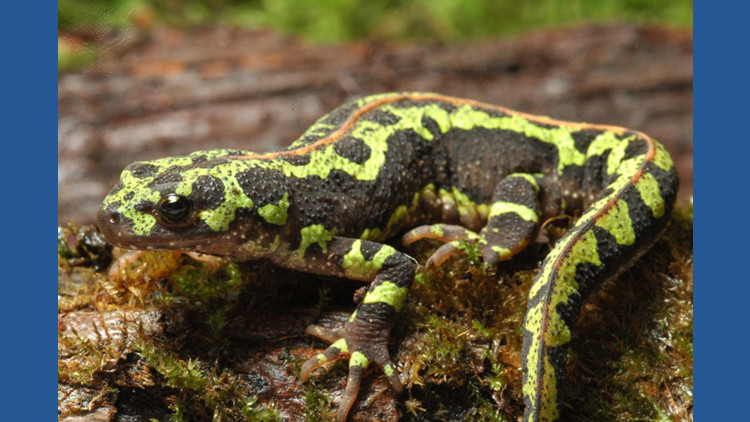
WHATCOM COUNTY, Wash. — Put the amphibians down and back away slowly.

Prosecutors are expected to charge a Whatcom County man for illegal possession of 16 invasive newts, all carrying an unknown deadly disease, after state wildlife officials seized the critters May 4.
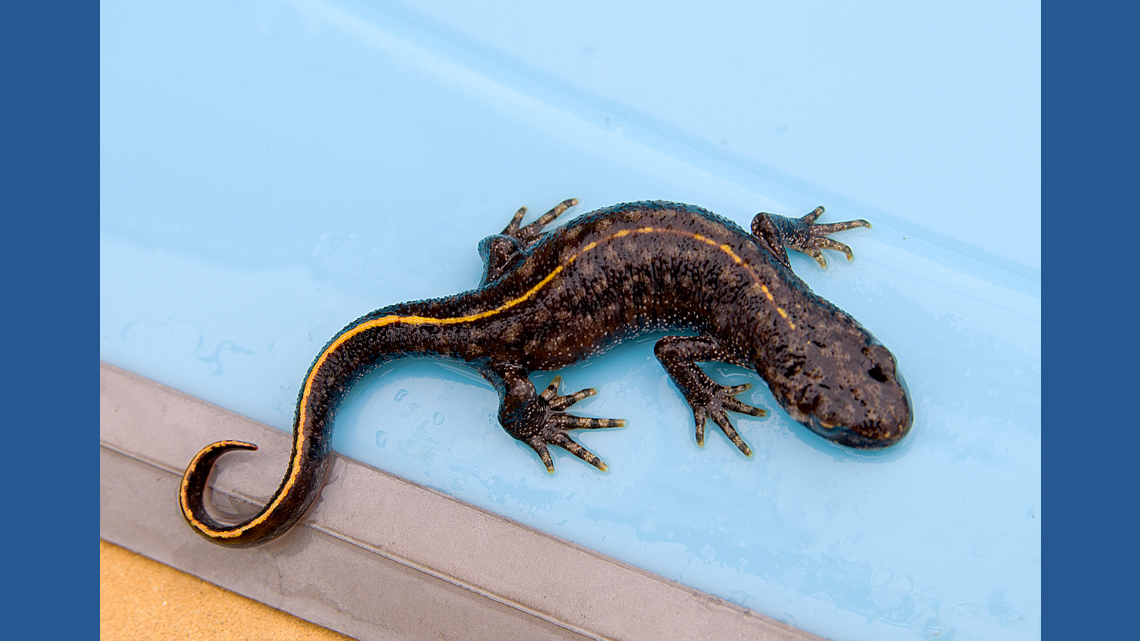
The newts in question – European species called Anatolian and marbled newts – are both illegal in Washington state and classified as level 3 invasives. Amphibians like newts, frogs and toads are particularly susceptible to environmental pollutants, such as diseases or chemicals, due to their permeable skin.
“These coordinated state and federal efforts prevented the introduction and spread of a high-risk invasive species and a potentially devastating amphibian pathogen in Washington,” said Justin Bush, aquatic invasive species division manager with the Washington Department of Fish and Wildlife (WDFW). “If introduced to the wild, [the newts] could have caused severe ecological damage and triggered costly long-term management efforts. This case underscores the importance of early detection and rapid response.”
The arrest was part of a federal operation to apprehend a mass newt trafficker based in Boston, Massachusetts. The East Coast amphibian and reptile breeder, operating a facility associated with the University of Massachusetts, kept between 300-500 animals on the premises.
Nearly all the critters on-site carried the pathogen, which had not been previously reported in the U.S., per WDFW. Federal Fish and Wildlife officials quarantined the facility.
Per WDFW reports, the Boston newt breeder was charged with two counts of “unlawful use of invasive species in the second degree,” a gross misdemeanor. The maximum penalty for such a crime is up to one year in jail, and/or a fine of $5,000 per each count.
WDFW police identified the Washington buyer and issued search warrants for the newts’ shipment records.
In 2023, WDFW officials observed a high level of mortality in native rough-skinned newts on the Olympic Peninsula. The affected newts were bloated and emaciated, scientists noted, but the cause of the die-offs was unknown.

To ensure diverse coverage and expert insight across a wide range of topics, our publication features contributions from multiple staff writers with varied areas of expertise.
