
The war in Iran has driven up energy costs, affecting travel with rising airline ticket prices and baggage fees.

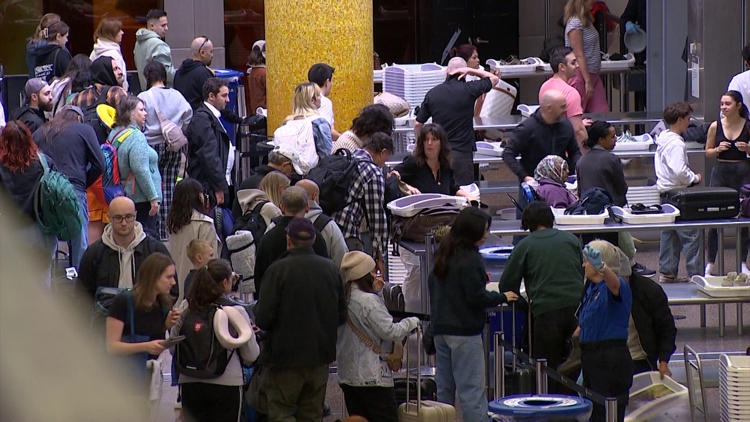
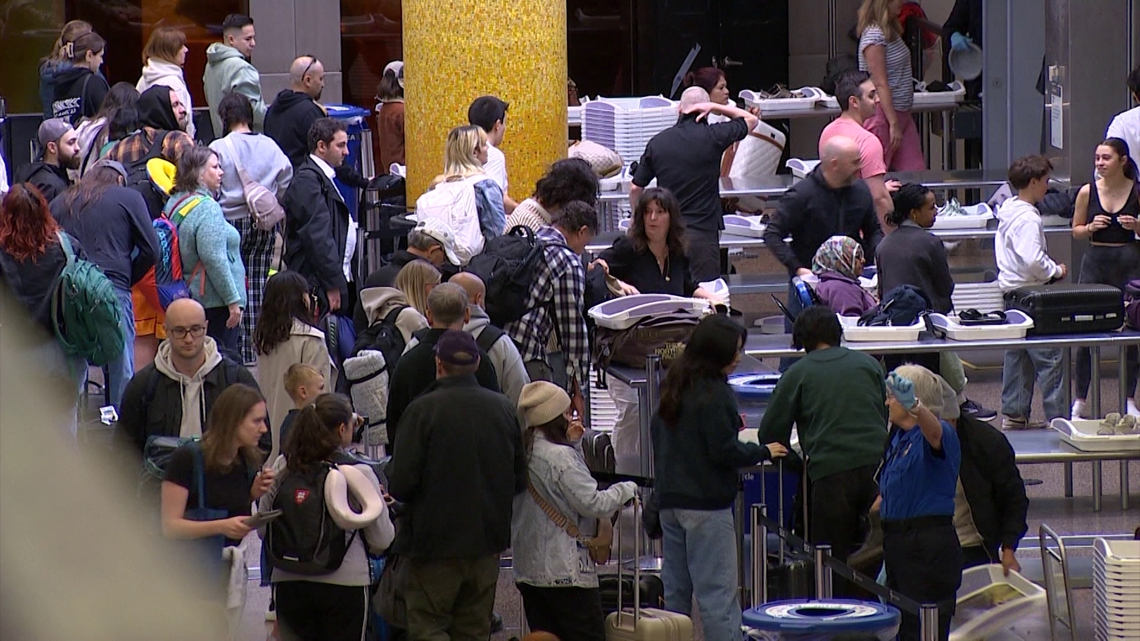
SEATAC, Wash. — Nearly two months into the war in Iran, travelers are feeling the pinch as rising energy costs have impacted everything from airline ticket prices to jet fuel and gasoline.
Multiple airlines have raised their checked baggage fees, and some international airlines have canceled flights out of SEA Airport to compensate for the rising costs.
“It has been tough with the price of the tickets,” said Bonnie Ellison of Lynnwood. “It has been tough with the price of the bags. We thought that the price of the bags would be a lot less, and it was more.”
Ellison’s family was traveling to Cancun for a vacation Monday, and Ellison faced sticker shock at how expensive travel was getting. She urged other travelers to “be ready for anything” if they are headed to the airport.
Oil prices have been volatile over the last few weeks as it remains in flux whether the Strait of Hormuz will be open or closed to shipping traffic and for how long. That volatility has made it difficult for airlines to plan long-term, and the cost in many cases is getting passed onto the consumer.
Alaska Airlines increased its checked baggage fees to $45 for the first bag (a $5 increase), $55 for the second bag (a $10 increase) and $200 for the third bag (a $50 increase).
“It does make a big difference, and it’s not something I ever worried about before,” said Laura Habighorst, who was flying out of SEA Airport on Monday.
Habighorst, who is from Hermitage, Missouri, was traveling in Centralia for business.
While the price of jet fuel may eventually go down, travel experts say these new, higher fees will likely remain in place.
“I have never heard of a baggage fee that came down once costs came down,” Brian Kelly, founder of ThePointsGuy.com, told CNN. “So, those are forever fees tacked on to airfare.”
Summer travel altogether will be impacted. Travelers should expect longer routes with more stops and less scheduling flexibility. Several European countries now have fewer than 20 days of jet fuel supply coverage, which is below normal and puts some airports at a risk, potentially causing flight cancellations, according to the Associated Press.
Forty percent of Europe’s jet fuel imports pass through the strait; none has moved since the war began.
Outside of airline travel, high gas prices will impact driver who are planning summer road trips. The price of fuel typically goes up in summer due to increased demand and a switch to summer blend, which is more expensive to create. But this year, there’s an added pinch from the war.
Habighorst said she was planning a trip to Florida with her husband in three weeks, and they would need to weigh the cost of driving versus flying, including whether to fly out of the smaller airport near their home or drive three hours to a larger international airport that often offers cheaper tickets.
“Last year it wasn’t something I was thinking about,” Habighorst said. “Definitely this year it’s something I’m thinking about.”

To ensure diverse coverage and expert insight across a wide range of topics, our publication features contributions from multiple staff writers with varied areas of expertise.
