
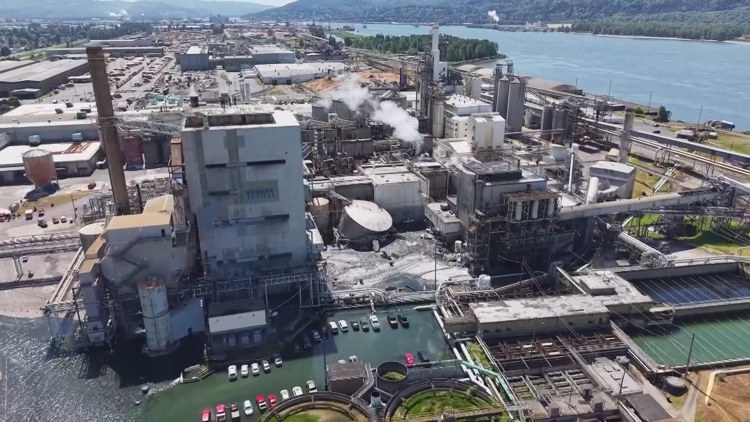
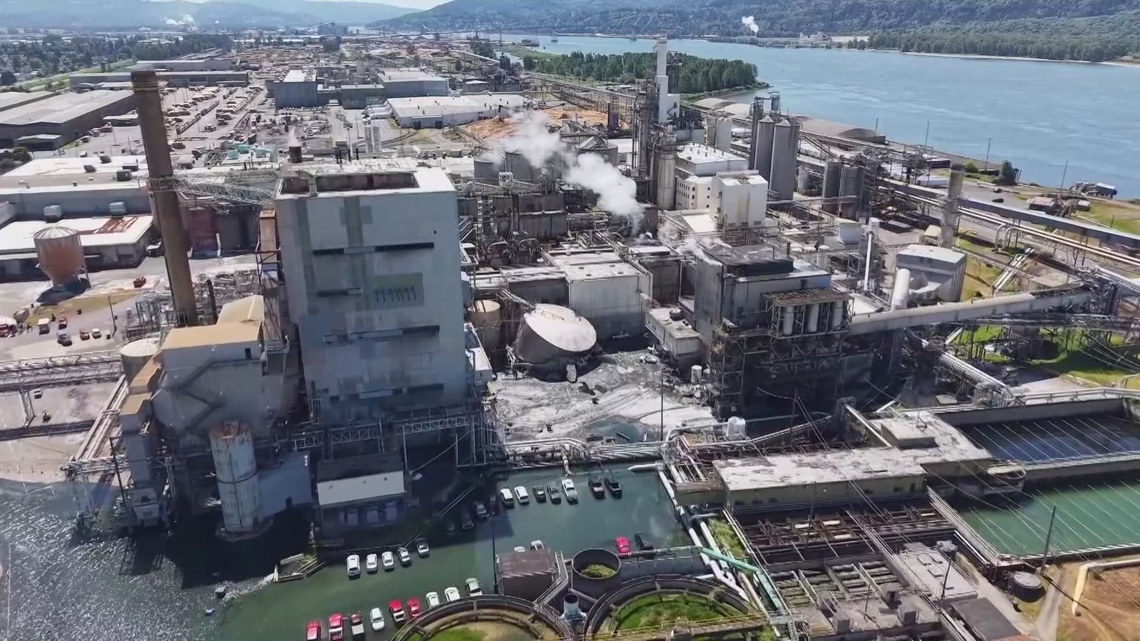
The deadly implosion at Washington’s Nippon Dynawave mill has sparked grief and economic concerns, impacting families and workers as investigations continue.

SEATTLE — A Washington state lawmaker says families and workers impacted by the deadly implosion at the Nippon Dynawave paper mill are facing grief, uncertainty and long-term economic concerns as investigations continue into what caused the industrial incident.
“This absolutely could have been any number of people that I know and love in my family,” said Representative Marie Gluesenkamp Perez. “It could have been my husband.”
Gluesenkamp Perez said the implosion has shaken not only the victims’ families but also the broader trades and natural resource communities connected to the mill industry.
“We’re all, whether we’re aware of it or not, interconnected in our natural resource economy and the trades community,” Gluesenkamp Perez said. “My heart breaks for these families.”
According to Gluesenkamp Perez, the impact is already being felt throughout the community as families cope with immediate needs and concerns about lost wages and possible layoffs.
She said many workers at nearby facilities know one another personally and rely on each other for support.
“Everybody at this mill is like babysitting each other’s kids and taking care of it, fixing each other’s cars,” Gluesenkamp Perez said. “We are going to lose a serious anchor point of economic strength when we lose this mill, if we lose this mill, which I will work to prevent.”
Gluesenkamp Perez said the mill is deeply tied to the regional economy. The facility directly supports 550 jobs, while its steam plant powers another 500 jobs at a neighboring mill. Contractors, truck operators and smaller mills also depend on the plant’s operations.
Gluesenkamp Perez also raised concerns about the long-term future of Washington state’s timber and paper industries, saying the state’s remaining mills play a major role in supporting wildfire thinning projects and wood products markets.
She said federal funding for investigations by the Chemical Safety Board was increased during the fiscal year 2026 budget process after the Trump administration proposed eliminating the funding.
A letter was sent to Washington’s Department of Labor and Industries requesting records tied to inspections and complaints connected to the mill.
Gluesenkamp Perez said investigators must determine what led to the tank failure and identify ways to improve worker protections and staffing levels at industrial facilities.
“What led to the failure of this tank?” Gluesenkamp Perez said. “How do we move forward with certainty that these are safe jobs?”

To ensure diverse coverage and expert insight across a wide range of topics, our publication features contributions from multiple staff writers with varied areas of expertise.
