
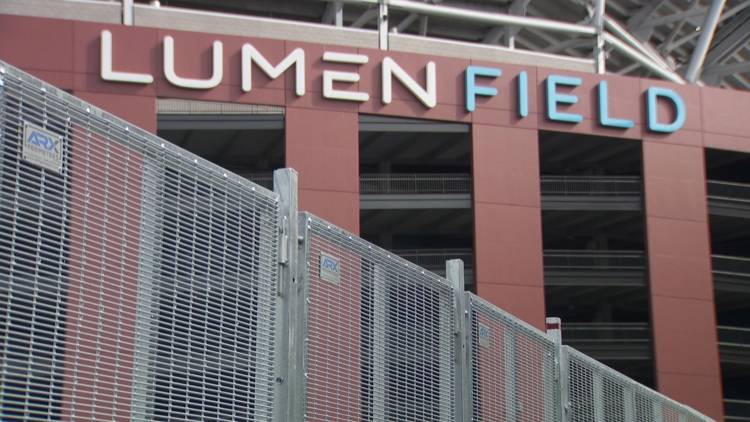
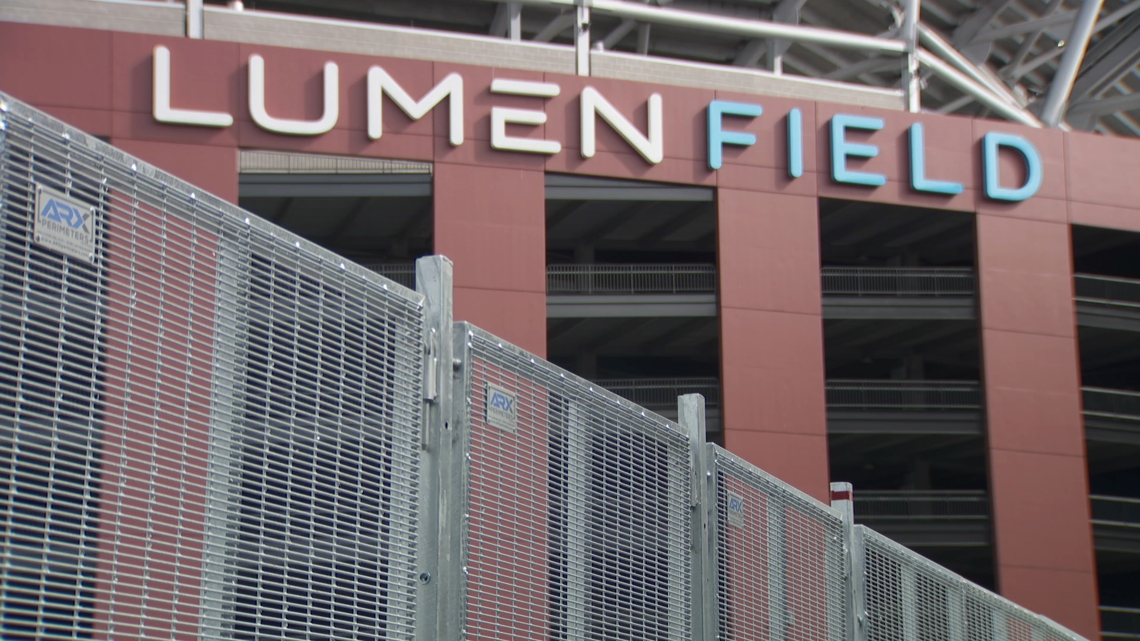
Seattle councilmembers want surveillance cameras around Lumen Field turned on before FIFA, saying the city shouldn’t wait for a “credible threat.”

SEATTLE — At least two Seattle city councilmembers are publicly pressuring Mayor Katie Wilson to activate 22 dormant surveillance cameras around Lumen Field before the FIFA World Cup begins next month.
During Tuesday’s Seattle Public Safety Committee meeting, Councilmember Rob Saka called on the Mayor to turn on the Stadium District’s closed-circuit television cameras before the first World Cup match in Seattle on June 15.
“We need to get it right 100 percent of the time, but the people who seek to do our community harm only need to get it right once,” Saka said.
Saka argued the city should not wait for a “credible threat” before activating the cameras during one of the largest events in Seattle history. City leaders expect about 100,000 people to be in and around Lumen Field during each of the six World Cup match days this summer.
The cameras were installed as part of Seattle’s Real-Time Crime Center expansion, but Wilson announced in March that the Stadium District cameras would remain inactive unless there is a credible threat.
During the meeting, Saka described his experience at the 2013 Boston Marathon bombing, saying he and his wife were two blocks past the finish line at a family meetup area after finishing the race when the bombs exploded.
“I was terrified. I didn’t know whether to grab my wife and immediately leave the area or stay hunkered in place,” Saka said.
Holding up his Boston Marathon medal during the meeting, Saka told councilmembers the experience changed him forever and said surveillance cameras were critical in helping investigators identify the attackers during the days-long manhunt that followed.
Saka said Seattle is generally prepared to host the World Cup, but argued the city is “not as ready as it could be” if the cameras remain off.
Councilmember Maritza Rivera joined Saka’s call, saying the city council already approved funding, authorized the cameras and approved privacy protections during the city’s Real-Time Crime Center expansion.
Rivera emphasized the council does not control when the cameras are activated, saying that decision belongs to the Mayor’s office.
Wilson previously paused use of the cameras pending a review of privacy and data governance concerns. Her administration said the cameras could still be activated if a credible threat emerges.
Saka also argued the cameras provide little investigative value if they remain inactive during the World Cup.
In an interview with KING 5 after the meeting, Saka said the cameras cannot retroactively capture footage if they are turned off when an incident happens.
“The cameras need to be on in order to capture events and footage to be used in law enforcement investigative purposes,” Saka said. “If the cameras are not on, there’s no ability for authorities to retroactively try and gather footage or information that could be helpful.”
Saka said that limitation is part of why he believes the city should activate the cameras before the tournament begins, rather than waiting for a “credible threat” to emerge.
The discussion came during a broader emergency preparedness briefing focused on Seattle’s plans for the 2026 FIFA World Cup.
Seattle Office of Emergency Management officials told councilmembers that more than 45 local, state and federal agencies will help coordinate security during the tournament — including the FBI, FEMA, Department of Homeland Security, U.S. Coast Guard, TSA, Sound Transit and King County Metro.
Officials said vehicles will not be allowed within roughly a mile of Lumen Field during matches, with streets blocked off to create security corridors for emergency responders.
Emergency planners also told councilmembers they have been preparing for possible drone incidents, cyberattacks, earthquakes, wildfire smoke and extreme heat during the tournament. Officials said they have conducted training exercises for field responders, practiced family reunification scenarios, coordinated with hotels and the Port of Seattle over trafficking concerns, and developed plans to quickly relocate the city’s Emergency Operations Center if another disaster unfolds elsewhere in Seattle during the World Cup.
The city’s Emergency Operations Center will activate during all six Seattle match days and coordinate with agencies across the region through a unified command structure, officials said.

To ensure diverse coverage and expert insight across a wide range of topics, our publication features contributions from multiple staff writers with varied areas of expertise.
