
Washington researchers report 22 gray whale strandings this year, highlighting concerns over malnutrition and vessel strikes as Arctic feeding areas change

BREMERTON, Wash. — Gray whale deaths continue to climb along Washington’s coast and in the Puget Sound, with researchers now documenting 22 strandings statewide this year as concerns grow over changing conditions in Arctic feeding grounds.
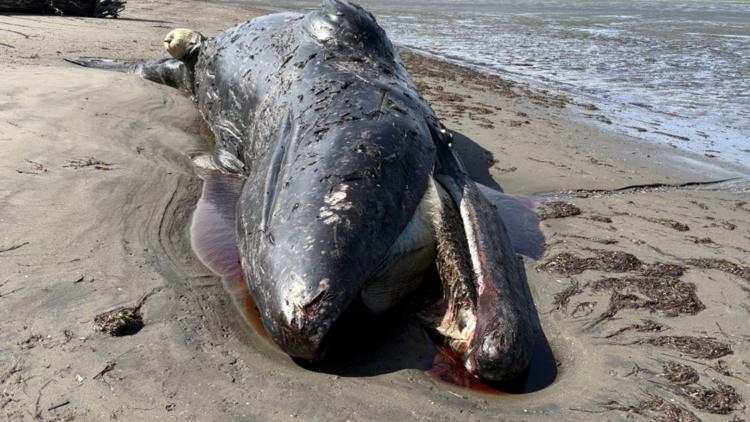
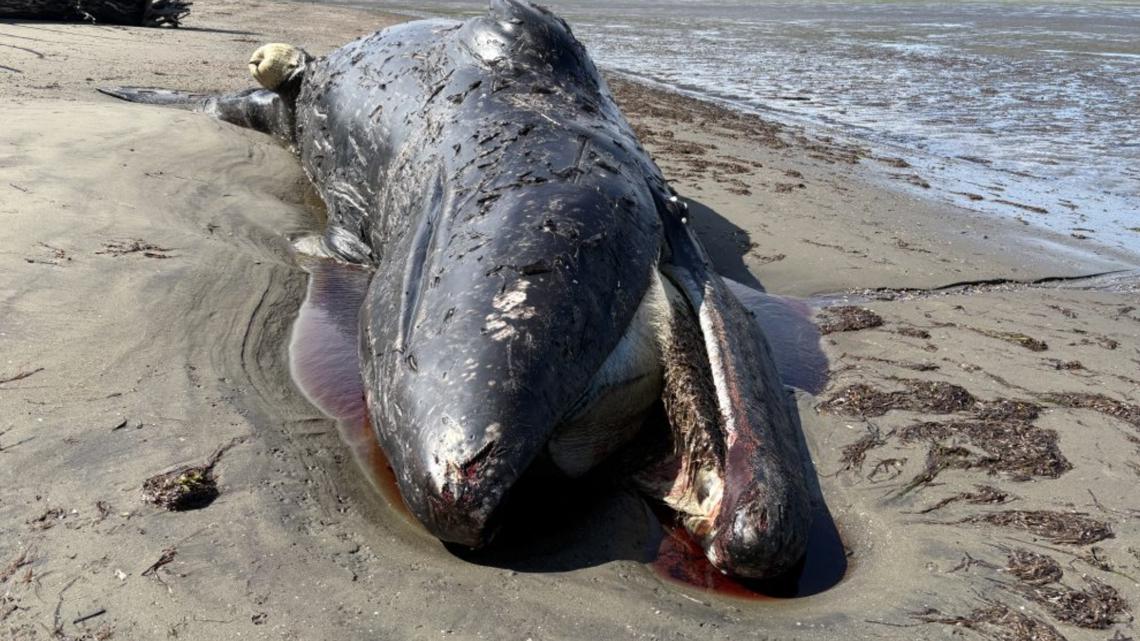
The latest confirmed death involved a male gray whale found near Bremerton on May 20, according to the Washington Department of Fish and Wildlife. Researchers said the whale showed signs of malnutrition and blunt force trauma.
Scientists with the Cascadia Research Collective and NOAA Fisheries said malnutrition has been the most common finding among whales examined this year. At least four whales also showed injuries consistent with vessel strikes, while one had evidence of a recent entanglement.
The previous statewide record for gray whale strandings was 35 in 2019. Researchers said this year’s pace already exceeds the number documented at the same point during that record-setting season.
“We’ve been seeing record numbers of gray whales washing up dead, what we call a stranding,” Cascadia Research Collective founder and research biologist John Calambokitis said in a previous interview. “We’re up to 21 so far this year, just in Washington state and only gray whales.”
Gray whales migrate annually between breeding grounds in Mexico and feeding areas in the Arctic. Researchers believe climate-driven ecosystem changes in the Arctic are reducing the prey the whales rely on during migration.
“The Arctic is an area that’s seen these pretty dramatic ecosystem shifts over the last 20 to 30 years with climate change,” Calambokitis said. “There used to be abundant prey, and now there’s much less prey.”
NOAA Fisheries recently warned boaters to watch for gray whales in poor condition in Central Puget Sound, especially near Bremerton, Bainbridge Island and Kingston. Officials said weakened whales may swim slowly beneath the surface and surface less frequently, making them difficult to spot.
Researchers said whales searching for food in unusual areas may face higher risks of vessel strikes and entanglements.
Officials are urging boaters to slow down in areas with heavy whale activity and follow Be Whale Wise viewing guidelines.
The public is also encouraged to report stranded marine mammals to the West Coast Marine Mammal Stranding Network Hotline at 1-866-767-6114 and avoid approaching whales found on shore.

To ensure diverse coverage and expert insight across a wide range of topics, our publication features contributions from multiple staff writers with varied areas of expertise.
