
Seattle city officials have not yet responded to requests for comment.

SEATTLE — Seattle will pay more than $9 million to settle a lawsuit brought by a cyclist who suffered a traumatic brain injury in a 2024 crash that his attorney argues was partly caused by a dangerous bike lane design.
Aviv Litov was 24 years old when a vehicle struck him on June 20, 2024. He was riding in a bike lane near Green Lake at the time. He was wearing a helmet and traveling below the speed limit when a driver turned directly into his path, according to the lawsuit. Litov was transported to Harborview Medical Center.
“He was in bad shape,” said his mother, Lara Litov.
His father, Tzachi Litov, recalled the difficult days at the hospital.
“In that entire time, we were told over and over to have low expectations,” he said.
Doctors confirmed Litov had sustained a traumatic brain injury. He lost partial vision and had to relearn how to walk.
“His brain injury basically worked like a stroke,” said Karen Koehler, an attorney with Stritmatter Law who took his case.
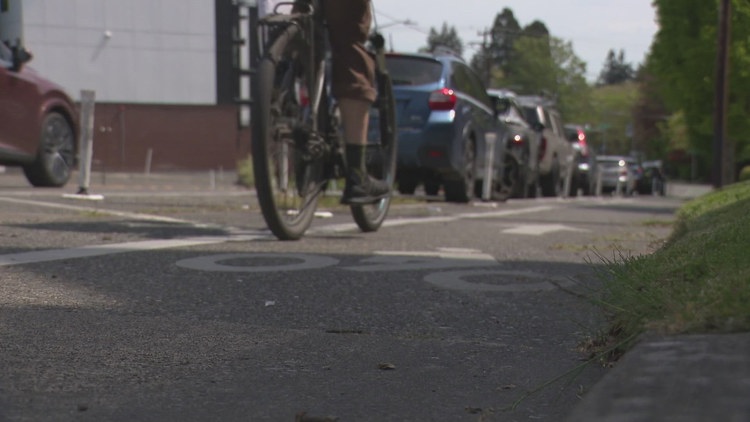
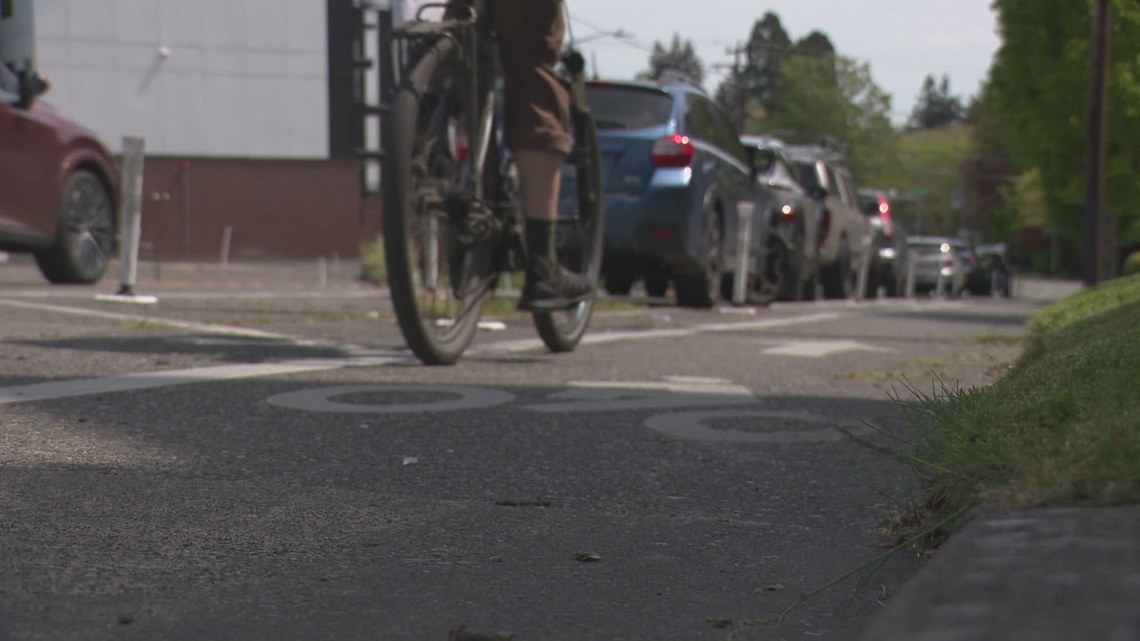
Koehler argued that a flawed bike lane design contributed to the crash, pointing to a slope near the intersection where sightlines between the cyclist and the driver were obstructed by parked vehicles.
“You’re supposed to keep the parked cars so many feet from that intersection so that there would not be an obstruction to view,” Koehler said.
She contends the city’s layout created a blind spot. The driver could not see Litov, and Litov could not see the driver.
“They just violated their own standards, and that’s why the court found that they were negligent as a matter of law,” Koehler said.
The city of Seattle has not yet responded to requests for comment.
For Litov, cycling was more than a mode of transportation. It was central to his life.
“Cycling was the biggest passion of my life, by far,” he said.
He was no stranger to the dangers cyclists face.
“The vast majority of people I know in the cycling community have actually been hit by cars,” Litov said.
When his crash happened, he had no recollection of the impact itself.
“I just was in the middle of this mess,” he said.
Despite the severity of his injuries, Litov fought his way back. His father credited the family’s refusal to accept the worst-case scenario.
“I think the most important thing is to never give up hope, and we were unwilling to accept bad news,” Tzachi Litov said.
Now, Aviv Litov says he wants his ordeal to drive broader change in how cities and drivers approach cyclist safety.
“I really hope that it does force people to actually have to consider the safety of others when making decisions,” he said.

To ensure diverse coverage and expert insight across a wide range of topics, our publication features contributions from multiple staff writers with varied areas of expertise.
