
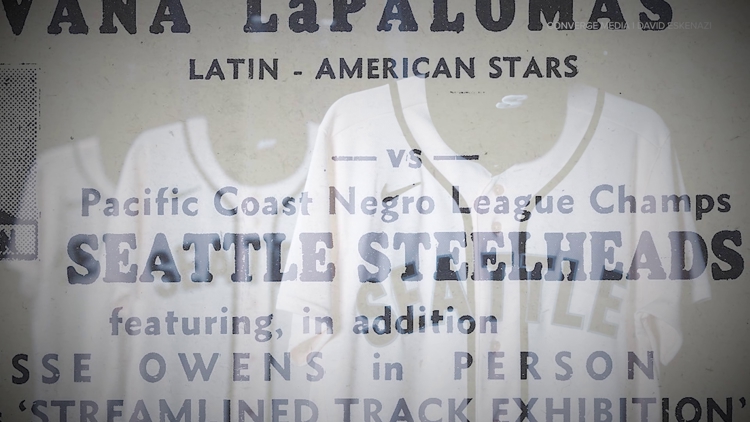
The Seattle Mariners honor the Seattle Steelheads’ legacy with throwback uniforms, highlighting the Negro League team’s impact on baseball and community unity.

SEATTLE — The legacy of the Seattle Steelheads is being brought back into the spotlight, as the Seattle Mariners honor the former Negro League team with throwback uniforms and a renewed focus on youth engagement and community history.
The tribute connects past and present, highlighting a team that played a brief but meaningful role in Seattle’s baseball history during a segregated era. The Seattle Steelheads were established in 1946 as part of the Negro Leagues, at a time when professional baseball was divided along racial lines.
Stephanie Johnson Tolliver, with the Black Heritage Society of Washington State, said the team’s existence reflects a period when “baseball was definitely a segregated sport during the 1940s.”
“Black players played Black players, white players played white players,” Tolliver said as she described how the Steelheads traveled across the country to play, often facing discrimination that prevented them from staying in the same hotels or eating in the same restaurants as white players.
Despite those challenges, the team became a source of pride and unity within the Black community.
“When we look at the history of black baseball and the steelheads, it just adds to the energy of the community. It was a time for unity. It was a time to celebrate,” Tolliver said.
The decline of the Negro Leagues in Seattle came shortly after a major turning point in baseball. Jackie Robinson’s signing to play in the minor leagues opened the door for Black athletes to enter Major League Baseball, though Tolliver noted that the opportunity came with significant hardship and hostility on the field.
“It wasn’t a very friendly door. He suffered many cruelties on the field,” Tolliver said.
Today, the Mariners say honoring the Steelheads is about recognizing that history and its lasting influence on the game. Christian Halliburton, the team’s deputy general counsel, said the effort reflects the organization’s commitment to celebrating the Negro Leagues’ legacy and its impact on modern baseball.
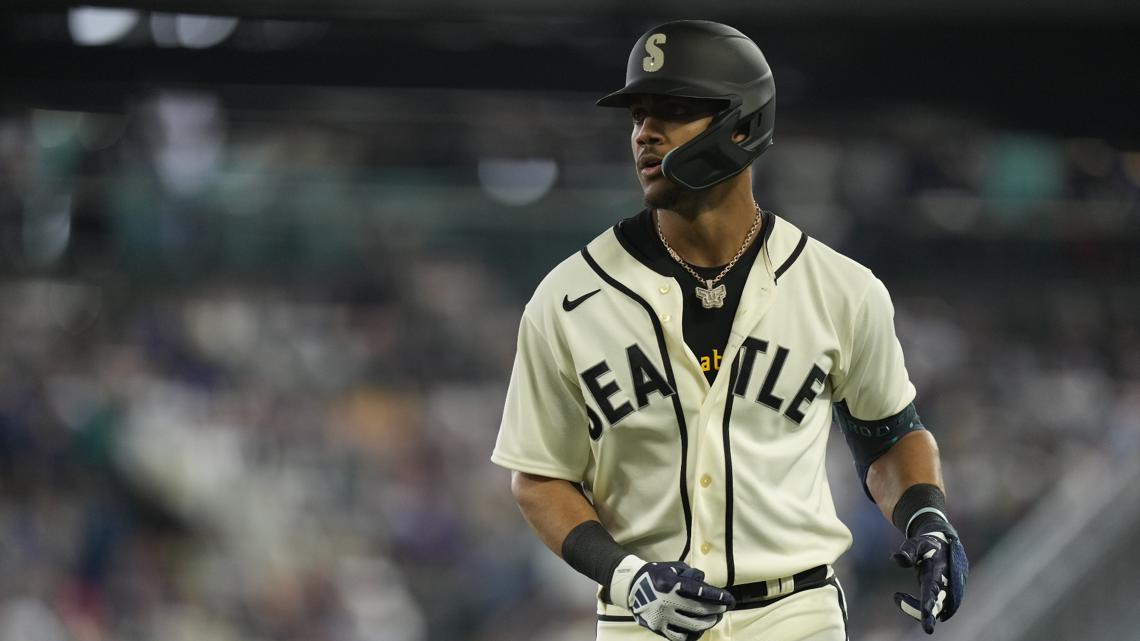
For players and coaches, that connection is personal. First base coach Eric Young Jr. said his own opportunity to play the game stems from the path paved by Negro League players and Robinson’s breakthrough. Second baseman Ryan Bliss echoed that sentiment, saying, “Yeah, it means everything, being African American, to put on the same uniforms. I’m honored.”
The tribute also extends beyond the professional level, reaching young athletes across Seattle. Programs and teams bearing the Steelheads name aim to educate players about the history while building confidence and representation in the sport.
“When I see Black people playing baseball, it’s like, that could be me one day. Like, if I didn’t see them, I wouldn’t really have somebody to look up to,” said Judah Reese, a youth baseball player.
Coaches and community leaders say that representation remains critical, especially as financial barriers and access continue to limit opportunities for many young players of color. Efforts like the Steelheads Community Fund are intended to expand access to baseball and softball, with a focus on ensuring no communities are excluded.
The influence of the Steelheads’ name has already shaped young teams in the region. Seattle Steelheads Little League Coach Jesse Hagopian said he chose the name for his team to teach players about perseverance and history, helping them carry that inspiration onto the field, even in the face of adversity.
“I wanted our youth to know the important history. And to give our kids some confidence that they knew other black players had had to persevere through a lot to be part of this game, and they took that inspiration with them into the games,” Hagopian said.
Community advocates say honoring the past is essential to shaping the future of the sport. Bookie Gates, founder of Baseball Beyond Borders, said the lessons of the Steelheads highlight resilience and the ability to build community despite injustice.
“We can’t talk about the future and the state of baseball in the future without looking back and reflecting on the past. The lessons that the Seattle still heads have taught are the ability to rise above the ability to do things that were unimaginable, to build an ecosystem, to build a community, to continue to thrive, even in the midst of injustice,” Gates said.
That message now plays out on a larger stage. This season on Sundays at T-Mobile Park, when the Mariners take the field in Steelheads uniforms, it serves as both a tribute and a reminder of the players who came before.
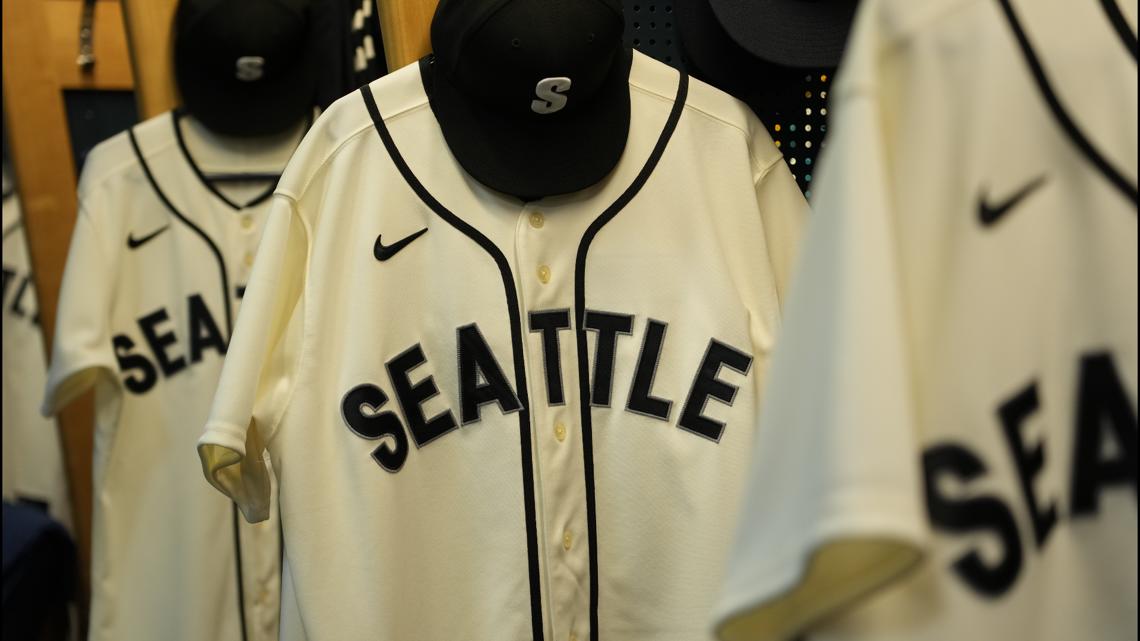
The team is also highlighting the Steelheads Initiative, central to the Steelheads Community Fund, which is backed by a $500,000 investment to support Black-led baseball and softball programs. Steelheads merch sales and Sunday 50/50 raffles will provide additional funding.
For fans like Tyrell Fincher, the recognition is special.
“The Mariners are supporting the Steelheads and offering up all of their uniform jerseys and everything, I think, is amazing,” he said. “Now to be able to celebrate them, and especially every Sunday, love the fact that the Mariners are doing this and setting this new tradition.”
Fans can also visit Steelheads Alley near T-Mobile Park, where a memorabilia gallery highlights the history and legacy of the Seattle Steelheads. The space features photos, artifacts, and storytelling that bring the team’s short but impactful history to life for a new generation.

To ensure diverse coverage and expert insight across a wide range of topics, our publication features contributions from multiple staff writers with varied areas of expertise.
