
A teen’s death, a nuisance lawsuit, and decades of injuries are now colliding with a city order to remove parts of the park’s iconic towers by May 15.

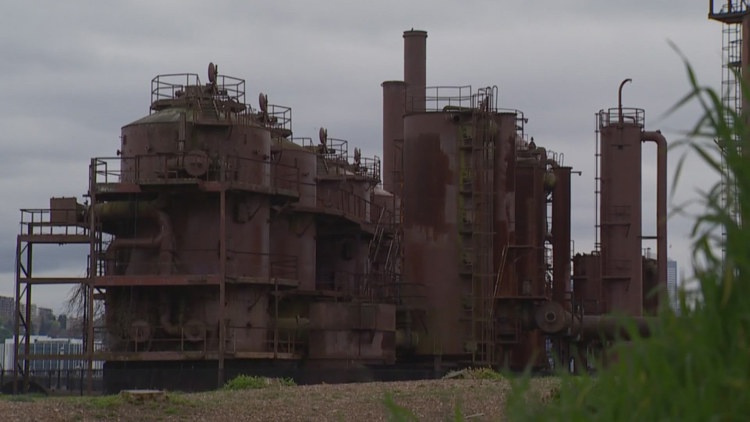
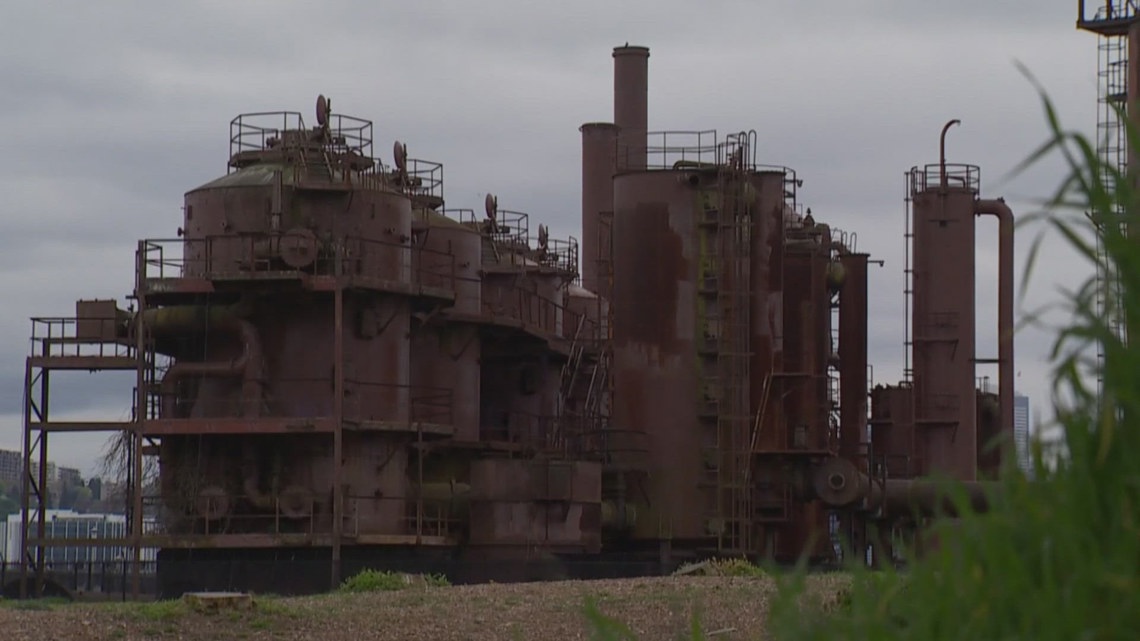
SEATTLE — The towering industrial structures at Gas Works Park have long been one of the city’s most recognizable sights — a backdrop for skyline views, summer nights, and generations of visitors.
But for years, those same structures have also been tied to something far more dangerous.
An ongoing lawsuit against the City of Seattle points out that three people have died and at least eleven others have been seriously injured in falls from the towers since 2008.
That history came into sharper focus after 15-year-old Mattheis Johnson died in July 2025 after falling about 50 feet from the structures.
His family filed a nuisance lawsuit against the city, arguing officials knew the towers posed a danger but failed to act.
“You have an attractive nuisance,” said attorney Karen Koehler, who represents the family. “This structure is decrepit and falling apart.”
Now, the city is moving to address those concerns.
On April 14, the Seattle Department of Construction and Inspections (SDCI) issued a permit for partial demolition at Gas Works Park, calling for the removal of features like ladders, catwalks and stairways attached to the so-called “cracking towers.”
City officials say a structural engineer found those elements lack structural integrity and pose a risk to public safety.
SDCI followed that with a hazard correction order requiring Seattle Parks and Recreation to fix the problem by May 15 or face a $500-per-day fine.
The timing is drawing scrutiny.
That deadline falls just weeks before the city is scheduled to be in court over the Johnson family’s lawsuit.
Koehler argues the city has long known about the risks and is only acting now under legal pressure.
“It could have done this a long time ago, decades in fact,” she said. “The city is now trying to hurry up. And I think, try to get this work done before the hearing, so it doesn’t have egg on its face.”
Preservation advocates are also pushing back, not on the need for safety improvements, but on how the city is making those changes.
Historic Seattle, a nonprofit focused on preservation, says the city may be bypassing the Landmarks Preservation Board by invoking an emergency safety exception.
“The timing of the hazard correction order is suspicious,” the group said in a statement. “These appurtenances do NOT in and of themselves pose a hazard or imminent threat. Trespassing is an illegal act. The City seems more motivated to make a lawsuit go away than to be a good steward of its landmarks.”
For some parkgoers, the changes raise questions about whether removing parts of the towers will actually prevent people from climbing them.
“People who want to get on top of these things always will,” said one visitor.
The city maintains the work is necessary to address what it calls an imminent safety risk.

To ensure diverse coverage and expert insight across a wide range of topics, our publication features contributions from multiple staff writers with varied areas of expertise.
