
Everett’s largest shelter is already full as leaders warn federal cuts could push more people into poverty and homelessness.

EVERETT, Wash — With potential cuts to federal food and health care programs looming, service providers in Snohomish County say they are preparing for a possible surge in homelessness — at a time when resources are already stretched thin.
The Everett Gospel Mission, the county’s largest shelter, is operating at or near capacity nearly every night. Built more than three decades ago, the facility has just 102 beds, forcing staff to turn people away.
“It’s really hard to say no,” said Jack Morrisson, who now works at the mission after once seeking help there himself.
Morrisson said the aging, overcrowded building is no longer meeting the community’s needs.
“It all comes down to beds,” he said. “We need more beds. We need more room for the beds.”
Right now, a single room serves as a lunchroom, day center and sleeping area — a limitation leaders say underscores the urgency for change.
“That’s why this expansion is so important,” said Morrisson. “It’s going to provide room for people who need to get indoors and get help.”
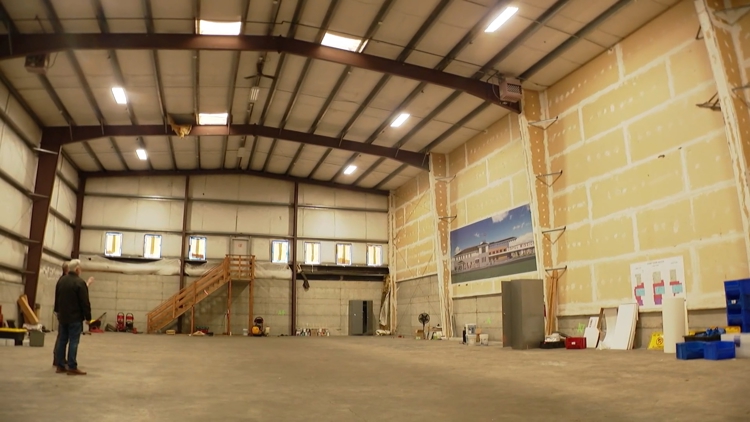
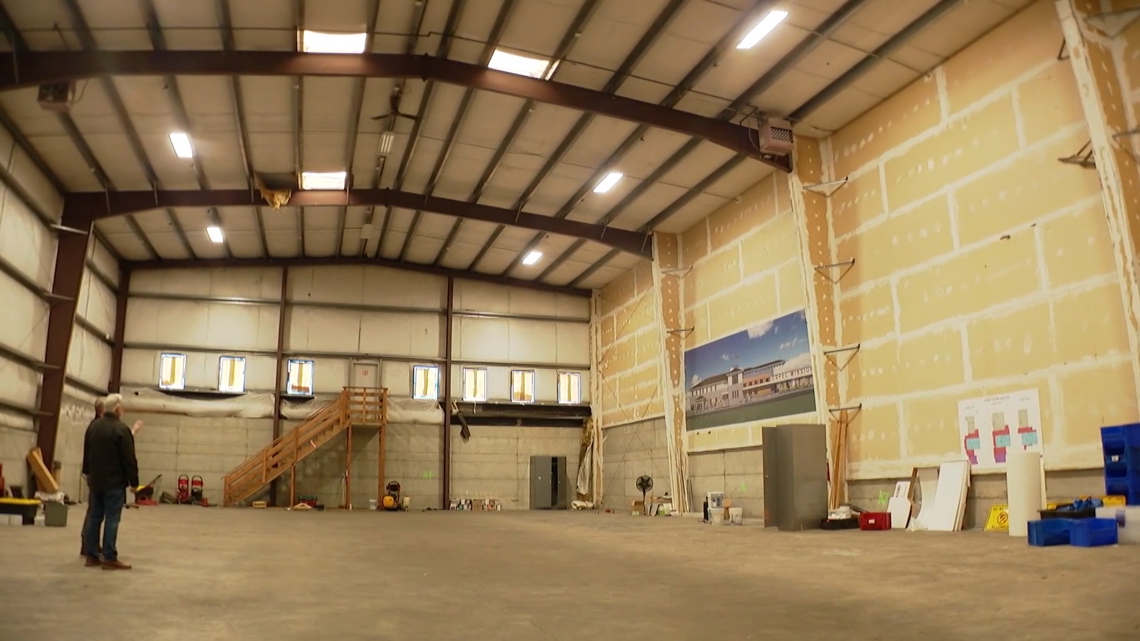
A proposed $30 million expansion aims to transform the facility by taking over two adjacent buildings. Funded mostly with city, state and county money, the project would triple the mission’s overall space and double its bed capacity.
Plans also call for dedicated areas where people can detox, stabilize and transition into longer-term recovery programs. For the first time, the shelter would house both men and women in separate sections — a shift expected to free up space at women’s shelters for families.
“If we think about this as the front door — the emergency room for people experiencing homelessness — it’s going to be a game changer,” EGM Advancement Director Nathan Hawkins said. “It’s going to set up all those other facilities the county has invested so much in.”
While homelessness in Snohomish County has declined about 11% since its peak in 2023, providers warn that progress could be reversed. Rising rents, high food costs, surging gas prices and anticipated federal safety net cuts under President Donald Trump’s “Big Beautiful Bill” are fueling concern about another wave of need.
Construction on the expanded shelter is expected to be completed by winter 2027.
For Morrisson, the project represents more than just added capacity — it’s personal. Once a resident at the mission, he has now been sober for nearly a decade.
“We just want to bring more people in and build them up,” he said, “and let God bless them.”

To ensure diverse coverage and expert insight across a wide range of topics, our publication features contributions from multiple staff writers with varied areas of expertise.
