
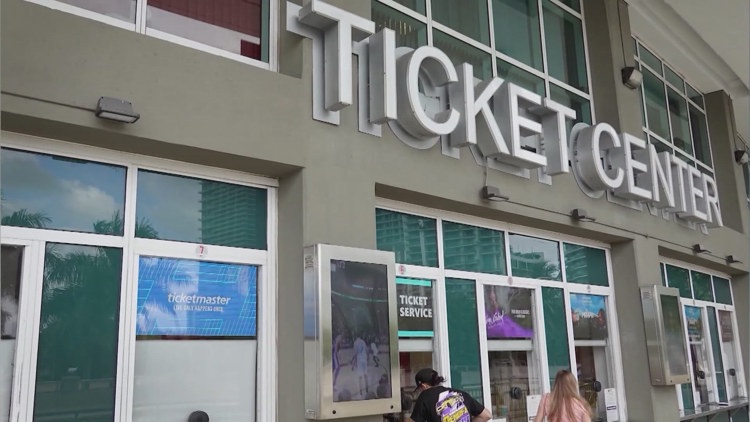
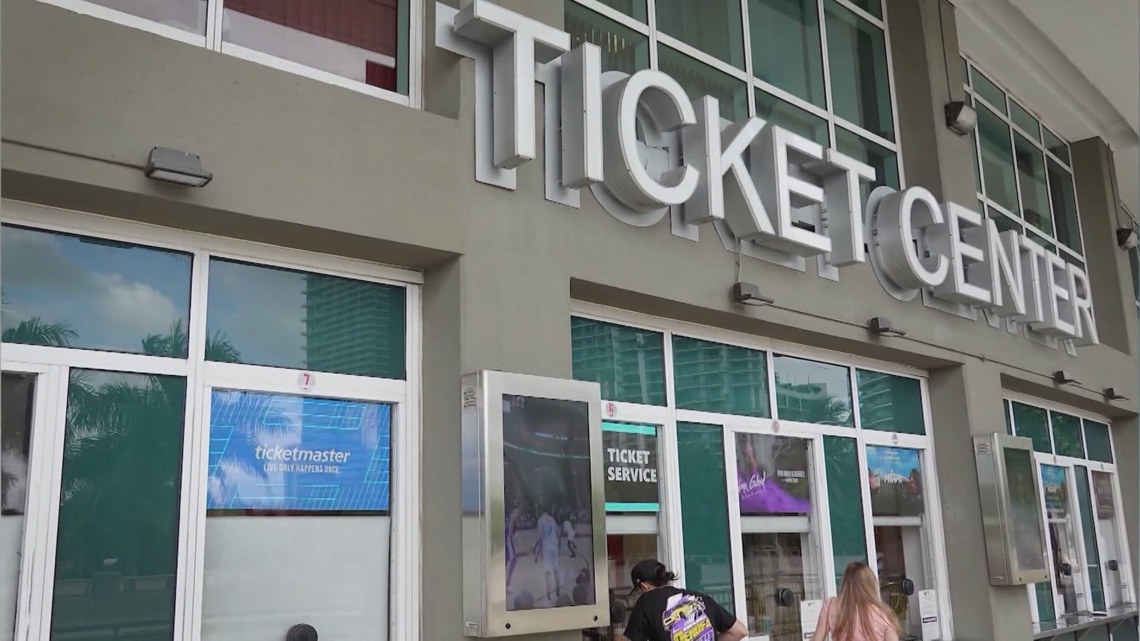
A jury’s finding against Live Nation and Ticketmaster for monopolistic practices could reshape the music industry, sparking hopes in Seattle for fairer competition.

SEATTLE — A jury has found that Live Nation and its subsidiary Ticketmaster illegally monopolized the live music industry, a verdict that could cost the company hundreds of millions of dollars and is being celebrated by musicians and fans in Seattle — a city with deep roots in the fight against the ticketing giant.
Washington Attorney General Nick Brown called the ruling a “landmark victory.” Washington was among nearly three dozen states that sued Live Nation, arguing the company used its market dominance to squeeze out competition.
The verdict carries particular resonance in Seattle, where the battle against Ticketmaster stretches back more than 30 years. In 1994, iconic Seattle band Pearl Jam refused to play venues controlled by Ticketmaster, with band members citing the financial burden placed on young fans.
“All the members of Pearl Jam remember what it’s like to be young and not have a lot of money,” a band member told Congress at the time. Yes, Pearl Jam even took their fight to Capitol Hill. “The lack of any national competition for Ticketmaster has created the situation we’re dealing with today,” they told lawmakers.
Despite their efforts, with Ticketmaster controlling most major stages, Pearl Jam struggled to tour and eventually backed down. Now, three decades later, Seattle’s music community sees the jury’s decision as a vindication of that early stand.
“All of their hard work is paying off,” said Leigh Bezezekoff, co-director of Washington nightlife and Music Association. “I’m really glad to see this news.”
She added that high ticket prices push people away from discovering new artists. “People who are saving their money for these big shows that come through, like the very massive venues… they’re not going out and exploring at the local level.”
Ricky Graboski of the Vera Project, a Seattle nonprofit that provides 60 free shows per year for young Washingtonians, said the ruling is meaningful but cautioned there is more work ahead.
“This is one small step in a very, very long fight we’ve been having,” he said. Graboski, who sometimes works 80-hour weeks to fund the nonprofit’s mission, added: “We’re psyched!” before striking a reflective note: “There’s plenty of good stuff out there, post-grunge in Seattle — we just need to make sure we can all still afford to get to those shows, and there’s still stages to host those shows on.”
The jury found that fans in some states paid approximately $1.72 more per ticket due to anti-competitive practices. While the ruling will not immediately bring relief for concertgoers, it could ultimately cost Live Nation hundreds of millions of dollars, and could potentially force them to sell some of their concert venues, which include the Gorge Amphitheatre and White River Amphitheatre in Auburn.
Any refunds or structural changes to the industry, including potential venue sales, will be determined in later proceedings. Live Nation denies holding a monopoly and says it plans to continue fighting the ruling.
For Seattle’s music community, the verdict does not immediately lower ticket prices — but it does reopen a door Pearl Jam tried to push open a generation ago.

To ensure diverse coverage and expert insight across a wide range of topics, our publication features contributions from multiple staff writers with varied areas of expertise.
