
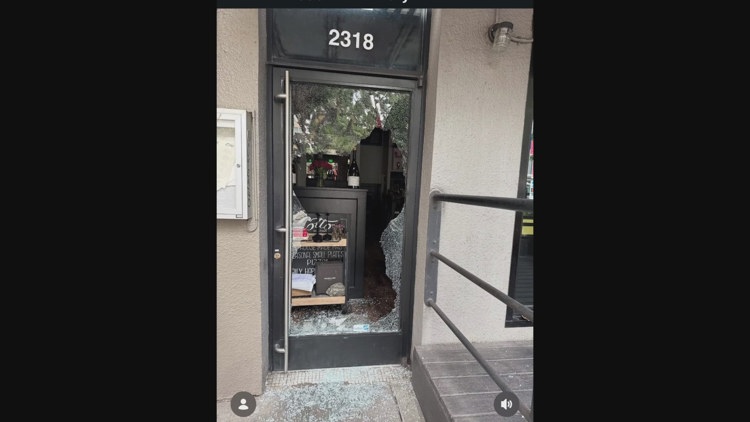
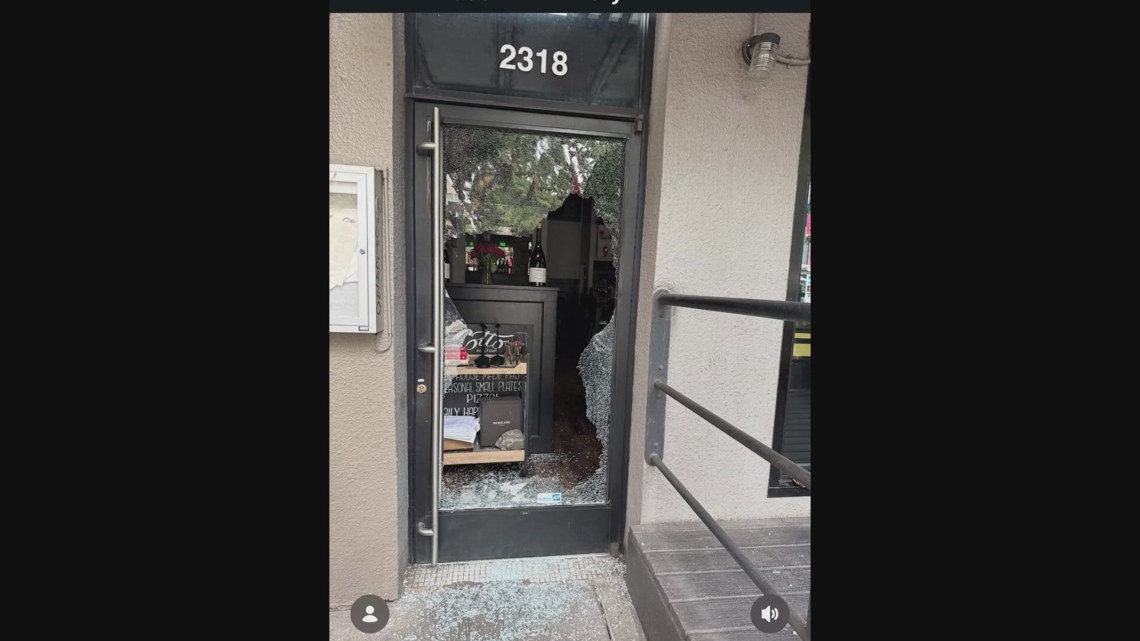
Some small business owners in Seattle are having meetings with one another to try and find solutions to a recent surge of break-ins and drug use in Belltown.

SEATTLE — Business owners in Seattle’s Belltown neighborhood say a surge in crime and open-air drug use over the past several months is driving away customers, damaging storefronts and costing them tens of thousands of dollars. Some are now questioning whether the city’s response is effective.
Jessica Gifford, owner of the longtime speakeasy Bathtub Gin, described daily concerns outside her business.
“People smoking crack, doing drugs. You can see them like handing money out and doing exchange,” she said. “We all call 911 on a daily basis almost.” Gifford said the alley leading to her bar is “always completely scattered with trash and people,” adding that an increase in visible drug use and dealing over the last six months is threatening her livelihood.
Just half a block away on Blanchard Street, Gifford opened a second business, a restaurant called Queen City, in October. She said the building had previously been occupied by squatters and has since been repeatedly targeted.
“They broke in this way … and went the other way,” she said, describing the latest incident Tuesday. It marked the fifth break-in in just six months of operation.
Other nearby business owners report similar experiences. Jon Robinson, owner of Provisions, said repeated thefts are taking a financial toll. “It’s not enough to make insurance claims every time, because one, you’ll get dropped by your insurance,” he said. Robinson estimates he has lost $150,000 in stolen goods and damages over the past seven months, during which his store was broken into five times.
Up the street on 2nd Avenue, Cotto restaurant owner Brandon Barnato said his business has also been repeatedly damaged. “We’ve replaced our front door four times in the past seven months,” he said, noting that thieves typically take smaller items. “They’re not coming for your big ticket items… the damage that they’re causing is more than what they’re taking.”
Several business owners believe the crimes are largely driven by drug addiction. “There has to be accountability,” Barnato said.
Open-air drug use is illegal in Seattle, but city leaders emphasize a diversion-first approach. “Folks that are arrested for using drugs in public, they should be put into LEAD or a diversion program or model,” new City Attorney Erika Evans said in January, referring to Law Enforcement Assisted Diversion.
However, Mike Solan, the president of the Seattle Police Officers’ Guild, also said in January that many officers are reluctant to refer cases to the program, calling it “a waste of time.”
The Seattle Police Department said small business owners are encouraged to attend monthly community safety meetings and noted the city’s “Back to Business” program, which helps fund repairs and security upgrades.
Barnato remains unconvinced. “I’m sorry a storefront repair fund is not going to entice more business owners to come to our neighborhoods,” he said.
The business owners’ concerns come as Seattle grapples with a fentanyl crisis. King County recorded nearly 800 overdose fatalities last year. LEAD connected 841 people needing support countywide with referrals in 2024, according to the agency’s website.
A representative from the new mayor’s office could not be reached for comment, but Mayor Katie Wilson said during her campaign that she plans to focus police investigative resources on violent crime. Regarding substance use and mental health, she said, “I’ll scale efforts to connect low-barrier engagement and harm reduction-based case management with treatment and recovery resources, including quick-access inpatient placements, recovery housing subsidies, and promising medication protocols being developed by local care providers.”

To ensure diverse coverage and expert insight across a wide range of topics, our publication features contributions from multiple staff writers with varied areas of expertise.
