
After lawmakers reversed a $60 million cut, the state heads into a potentially dry summer with renewed resources.

OLYMPIA, Wash. — Heading into the 2026 wildfire season, Washington was on the verge of entering wildfire season with significantly fewer resources to prevent and fight fires.
Last year, lawmakers cut $60 million from the state’s wildfire prevention budget — slashing funding in half from $120 million to $60 million. The reduction raised concerns among fire officials about staffing, equipment and preparedness as the state approached another high-risk season.
This year, that funding has been restored.
RELATED: Here’s how much snow fell in the Cascades last week and what an atmospheric river means for snowpack
The reversal comes as early indicators point to elevated fire danger across the state. Low snowpack and the potential for a dry summer are already raising concerns about how active the 2026 wildfire season could become.
“We’re seeing some initial potential signs of drought conditions,” said Washington Public Lands Commissioner, Dave Upthegrove.
Wildfire risk is also expanding geographically. No longer confined primarily to eastern Washington, fires are increasingly starting west of the Cascades, closer to population centers.
“We saw 40 percent of the fires last year start in Western Washington,” Upthegrove said.
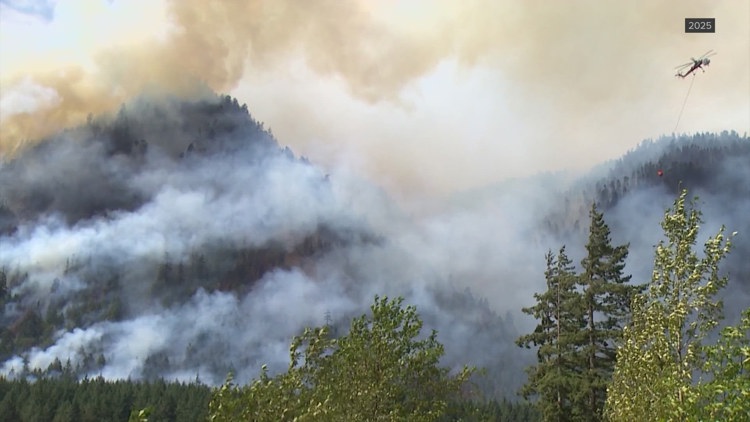
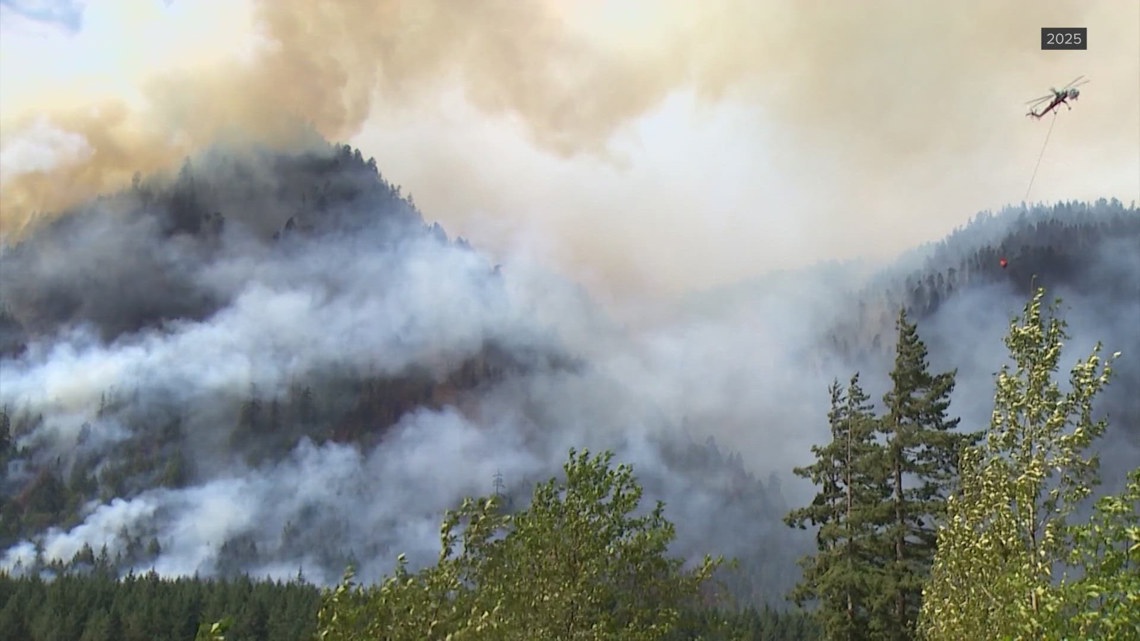
One of the most visible examples was the Bear Gulch Fire on the Olympic Peninsula, which burned thousands of acres and pushed smoke into western Washington communities, affecting air quality across the region.
“We’re seeing more fires west of the Cascades. Last year we saw more fires in Western Washington than ever in history,” Upthegrove said.
At the same time, the cost of fighting those fires continues to climb.
“Last fire season we spent $300 million putting out fires,” he said, an expense the state is required to cover.
Officials argue that prevention is far more cost-effective than response.
“It’s a lot cheaper to prevent and prepare for wildfire than to put out wildfires,” Upthegrove said.
With funding now restored to $120 million, the state plans to invest in early detection and faster response, strategies aimed at keeping fires small before they spread. That includes grants for local fire districts, additional firefighting personnel, forest thinning projects and new technology, such as AI-powered cameras designed to detect smoke in remote areas.
“We believe $120 million gets us what we need,” Upthegrove said. “But we might be able to save more funding in the long run and protect more property by making sure that funding grows with the need.”
The goal, officials say, is simple: stop fires early, before they become larger, more destructive and more expensive.
The restored funding is expected to remain in place through 2028. But even with that commitment, uncertainty remains.
After last year’s cuts, Upthegrove acknowledged there are no guarantees the funding won’t change again.

To ensure diverse coverage and expert insight across a wide range of topics, our publication features contributions from multiple staff writers with varied areas of expertise.
