
The City of Seattle marked the anniversary of the 6.8 magnitude earthquake on Thursday by discussing ongoing contingency plans for another powerful quake.

SEATTLE — A quarter century after the Nisqually earthquake shook the Pacific Northwest, one of the country’s leading experts in seismic activity is reiterating a message he’s delivered several times: it will happen again.
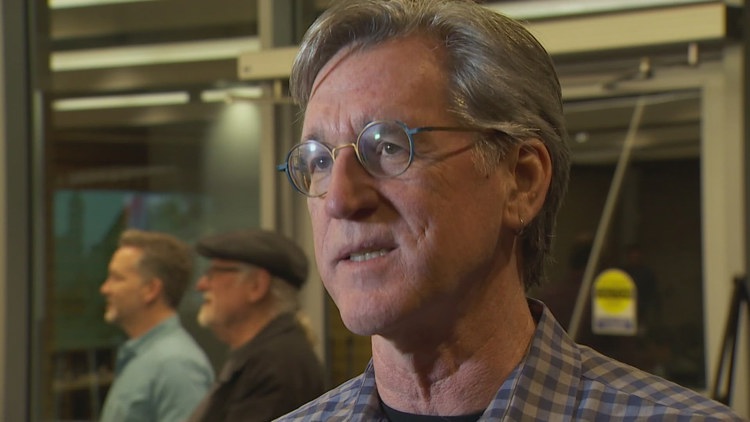
University of Washington professor Harold Tobin, who is also the director of the Pacific Northwest Seismic Network, joined a panel of other experts at an event hosted by the Seattle Department of Construction and Inspections.
“Nisqually was 25 years ago, it’s been long time, it kind of fades from memory but we know a similar earthquake will happen again. We don’t know exactly when, of course,” Tobin said. “We have to keep preparing and while we’ve done a lot in our city to make ourselves more resilient to earthquake damage and fix up some of the old buildings, we still have a long way to go. That needs to happen before it happens again.”
The magnitude 6.8 Nisqually earthquake on Feb. 28, 2001 shook western Washington and beyond, seriously damaged or destroyed some buildings and roads and impacted bridges. The quake struck from a fault more than 35 miles under the Nisqually Delta, 11 miles north of Olympia, giving the quake its name.
Thursday’s event included presentations from Tobin, emergency managers and building experts who addressed damages, educational takeaways from Nisqually, and preparing for another powerful earthquake.
In 2024, the city adopted a new code to support voluntary retrofitting for building owners with unreinforced masonry (URM).
The city plans to make retrofitting mandatory in the future.
“The earthquake will not kill us all, but if we don’t prepare, the disruption to housing, small businesses and our regional economy will echo for decades,” said Amanda Herzfeld, the city’s URM program director. “This is not a government scare tactic… these are facts. The Juan de Fuca plate is subducting under the North American plate at the same rate your fingernails grow. That energy is accumulating and has to release at some point.”
While government agencies continue to address infrastructure and response plans, Tobin urged residents to have their homes checked for foundational strength.
“My attitude is: prepare, don’t despair. We’ll come through. We want to come through without loss of life, that’s the most important thing,” he said.

To ensure diverse coverage and expert insight across a wide range of topics, our publication features contributions from multiple staff writers with varied areas of expertise.
